Google   Recent Updates: Kanji Lab / Everything Japanese Guide / Grammar Page
 
Web www.japanese123.com    Learn Intermediate Japanese Through the News!

Home

Departments

Basic Vocabulary

More Archives!

Grammar

Kanji

Proverbs

Word Focus

Business Japanese

Gift Shop
 

Feedback

The Everything Japanese Guide


Basics:


ONLINE GUIDE TO JAPANESE COMPOUND WORDS!

Japan City Guide

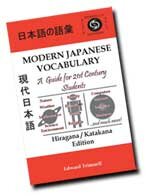
Modern Japanese Vocabulary:

A Guide for 21st Century Students

"File this little book under 'secret weapon'. It's really that good." --Amazon.com customer review




E d 's  J a p a n e s e  B l o g


DON'T FORGET THE ARCHIVES..BLOG ARCHIVES HERE


January 3, 2009

Note: Sorry for the recent lack of updates. I was taking a bit of a break during the holidays. We are back into the regular groove now! Happy 2009!

Word of the Day

誤り 

(あやまり)

error; fault


Usage Examples:


  • 誤る(あやまる) to make a mistake

  • 誤りのない free from mistakes

  • 一歩誤れば with one slight mistake

  • 一生の誤り  the mistake of a lifetime

  • 小さな誤り a small mistake

  • 誤りを詫びる to apologize for a mistake

  • 誤りなく伝える to give a faithful account of


教員採用試験で問題・解答に誤り 

県教委は十九日、本年度の公立学校教員採用一次試験ナ、「高校物理・科学・生物」の設問一問と、開示請求に対して開示した、小学校国語など六教科八カ所の解答に誤りがあった、と発表した。いずれも合否に影響はなかったと説明している。 

Source: http://www.toonippo.co.jp/news_too/nto2008/20081219184228.asp


December 20, 2008

Word of the Day

同情

(どうじょう)

sympathy


同情する to sympathize with

同情がない unsympathetic

同情に訴える(うったえる) to appeal to a person’s sympathy

同情ある sympathetic; compassionate

同情ある見方(みかた)をする to take a compassionate viewpoint

同情票(ひょう) sympathy vote  

同情に頼る(たよる) to rely on another’s sympathy

同情を集める(あつめる) to arouse sympathy

同情する余地(よち)がない to find no room for sympathy

同情の厚い人(あついひと) a person of sympathetic temperament

同情を表す(あらわす)to express

同情を失う(うしなう) to lose a person’s sympathy


December 14, 2008

Word of the Day

争い

(あらそい)

dispute; conflict


争いが起こる(おこる)a dispute occurs

争いの種(たね) the seed of a dispute

学問上の争い an academic controversy

派閥争い factional dispute

法廷の争い legal dispute; court case

政治的な争い  political dispute

激しい争い violent dispute

熾烈な争い  fierce conflict


争いを防ぐためには、相手の心をなだめるだけではなく、自分の心の癒しが必要なときもある。

Source: www.n-seiryo.ac.jp/~usui/net/arasoi.html


December 09, 2008


"Cat Language" video


The “Cat Language” tutorial has been one of the more popular destinations on this site. I recently adapted the content for YouTube. Enjoy.


December 07, 2008

Word of the Day

愛好する

(あいこう する)

to be fond of; love of


Usage Examples:


愛好者(あいこうしゃ) lover of (art, books, etc.)

音楽を愛好する  to be fond of music

愛好家(あいこうか enthusiast, fan of


The following description was written for blog for Japanese fans of rugby.


ラグビーを愛好する男のブログ開設から、愛好家たちが思いっきりラグビー談義をする場へと発展した。

Source: http://www.bk1.jp/product/02786640


This quote discusses benefits of exercise in avoiding certain diseases.


アテローム動脈硬化症のような動脈に問題がすでに発生している患者でも、運動を愛好 する活動的な人は、運動をあまりしない患者と比べて、「体重は同様」でも、メタボリックシンドロームと糖尿病を発症することが少ないようです。

Source: www.rda.co.jp/topics/topics3345.html


Supplementary Vocabulary


音楽 (おんがく)         music

開設 (かいせつ )        installation; establishment

思いっきり    (おもいっきり)          resolutely; decisively

談義    (だんぎ)          discourse; lecture

発展する        (はってん する)      to develop

アテローム動脈硬化症        (アテローム

どうみゃくこうかしょう)   atherosclerosis

動脈    (どうみゃく)  artery

発生    (はっせい)      occurrence; outbreak

患者    (かんじゃ)      patient

活動的な人    (かつどうてきな ひと)      active people

と比べて(と くらべて)            compared to

体重    (たいじゅう)        bodyweight

同様    (どうよう)            the same way; similarly

糖尿病(とうにょうびょう)        diabetes

発症する(はっしょう する)    symptoms break out


November 29, 2008

Word of the Day

働く

(はたらく)

to work

Usage examples

汗水たらして働く to work hard

陰ひなたなく働く to work faithfully

骨の折れる仕事 backbreaking work; difficult work


働き者(はたらきもの) a hard worker

働き蜂(はたらきばち) worker bee; worker

働き手(はたらきて)worker

働き口(はたらきぐち)a position; a job opening

働き盛りの年頃(はたらきざかり の としごろ)one’s prime working years


仕事場(しごとば) workplace

仕事の内容(しごと の ないよう) job specifications

仕事をやめる to quit a job

仕事を打ち切る(しごと を うちきる)to knock off work


One Japanese job website makes the following pitch to job seekers in the world’s second largest economy: 

「働き口」に関する転職求人情報です。日本最大級の働き口の転職・求人情報サイト。 

Source: tenshoku-ex.jp/words/働き口


Supplementary vocabulary

汗水(あせみず) sweat

骨(ほね) bone

折れる(おれる) to break

に関する(に かんする)related to

転職求人情報(てんしょく きゅうじん じょうほう) job-seekers’ information

日本最大級の (にほんさいだいきゅう の)of the largest class in


November 27, 2008

Word of the Day

努力する(ろりょく する)

to make an effort; to strive


Usage examples


不断の努力 constant effort

努力を緩める to slack off

涙ぐましい努力  heart-breaking effort

最大限の努力を尽くす

弛まず努力する to make a ceaseless effort

最後の努力をする to make a last-ditch effort


Supplemental vocabulary


不断の (ふだん の) constant; tireless

涙ぐましい (なみだぐましい)tearful; heart-breaking

弛まず(たゆまず) steadily; untiringly; with perseverance

緩める(ゆるめる) to loosen; to slacken

最後の(さいご) final; last


November 20, 2008

Japanese Newspaper Excerpt 

最終決戦  激戦州


The keywords for this article excerpt are:


最終決戦 (さいしゅう けっせん) final battle

激戦州 (げきせん しゅう) hard-fought states


 Excerpt


米大統領選、4日投票へ最終決戦 激戦州に的絞る


4日に投票日を迎える米大統領選は選挙戦最後の週末に入った。民主党のオバマ、共和党のマケイン両候補は選挙戦の総決算となる最後の3日間を東部バージニア州など、同じ激戦州に的を絞って遊説する。優勢に戦いを進め、各種世論調査で当選圏内に入ったオバマ氏が共和党の地盤に切り込み、マケイン氏が防戦する展開が最終決戦の構図となった。

Source: http://www.nikkei.co.jp/kaigai/us/20081102D2M0200402.html


Grammar


に入る(に はいる) The primary meaning of the verb 入る(はいる) is “to enter.” Here it is used to describe a transition in time: 

4日に投票日を迎える米大統領選は選挙戦最後の週末に入った。

It is the final weekend of the battle for U.S. Presidential election, in advance of Election Day on the 4th.


Vocabulary


的を絞る(まと を しぼる)to focus the target

投票日(とうひょうび)election day

迎える(むかえる)to await; to greet; to welcome

米大統領選(べい だいとうりょう せん)American presidential election

東部(とうぶ) eastern part

遊説する(ゆうぜい する)to canvass for votes; go campaigning

当選圏内に (とうせん けんない に) within range of winning the election

各種世論調査で (かくしゅ よろん ちょうさ で) by every sort of public opinion survey

防戦する (ぼうせん する)to wage a defensive battle

展開(てんかい) unfolding; development

構図(こうず)composition

民主党(みんしゅとう) Democratic Party

共和党の地盤に切り込む (きょうわとう の じばん に おりこむ)

優勢に戦いを進める(ゆうせい に たたかい を すすめる)


November 16, 2008

How about a Japanese proverb to finish off your weekend?

This is a good one to keep in mind as you get ready to start another work week---with all its attendant perils:

君子危うきに近寄らず

くんし あやうき に ちかよらず

Kunshi ayauki ni chikayorazu

“The wise man avoids danger.”


Here is another that may have some significance for everyone who has a job!

挨拶より円札

Aisatsu yori ensatsu.

“Yen notes are better than compliments.”


November 13, 2008

Video about the new economic imperative of language-learning

This is not technically about the Japanese language in particular; but it may be of interest to some of you nonetheless.


November 10, 2008


Kanji of the day


 (ヒョウ、ひょう)

hail


Usage Example:


雹害 (ひょうがい) hail damage


November 4, 2008

Kanji to impress your friends with


Here is a less commonly known kanji that not every student will know:


(キ)


Usage example:

詭弁(きべん)sophistry; logic-chopping


November 3, 2008

New Video: "This" words in Japanese


November 2, 2008

Brazilians in Japan 

Immigration is controversial in Japan as it is in the United States. This article about Japanese-Brazilians caught my attention. Many Brazilians who live around the Toyota City area (near Nagoya) were interviewed for this piece. 

As chance would have it, I was in Toyota City myself over the summer. I did indeed overhear a lot of Portuguese in shopping malls and restaurants. Japanese-Portuguese dictionaries were more numerous in local bookstores than Japanese-English ones.   

As the article notes, Brazilian immigration to Japan is nothing new. This trend began more than twenty years ago, during Japan’s Bubble Economy of 1987-1990. Faced with chronic labor shortages, the Japanese government began to crack open the doors to immigration from abroad. Brazilians were especially favored because many of them are of Japanese ancestry.


November 2, 2008

And now, a bit of business Japanese….

Some "sell words"


売店

ばいてん

a stand; sales stall


売約

ばいやく

sales contract


売約書

ばいやくしょ

sales note


売約済み

ばいやく ずみ

sold


November 1, 2008

Japanese to Aid Vietnam's Space Development Program 

Keywords: 宇宙開発,   借款


Vietnam has apparently decided to jump into the space exploration field. And the Japanese government may help out, by providing the country with a loan.


宇宙開発(うちゅう かいはつ) space development

借款 (しゃっかん) loan        


Usage Example:


政府、ベトナムの宇宙開発を支援 円借款、09年度にも検討 

政府はベトナムの宇宙開発事業を支援する方針を固めた。今年度末までに官民による事前調査を実施。同国から要請があれば、2009年度にも数百億円規模の円借款の供与を検討する。日本が宇宙開発事業で他国を本格的に支援するのは初めて。日本の宇宙産業の海外市場開拓を支援する。 

Source: http://www.nikkei.co.jp/news/keizai/20081101AT3S2500E01112008.html


Additional vocabulary notes: 

政府 (せいふ) government

支援する (しえん する) to aid; to assist

事業 (じぎょう) enterprise; undertaking

方針(ほうしん) policy

初めて(はじめて) for the first time

固める (かためる) to firm up

他国 (たこく) other countries

本格的に (ほんかくてき に) in earnest; regularly

今年度末までに (こんねんどまつ まで に) by the end of this year

海外市場開拓 (かいがい しじょう かいたく) pioneering / opening of overseas markets

官民 (かんみん) public and private sector

事前調査 (じぜん ちょうさ) advance inquiry/investigation

実施する (じっし する) to execute/carry out

規模 (きぼ)scale; scope

供与 (きょうよ) grant; furnishing

検討する (けんとう する) to examine; to investigate

同国から要請があれば (どうこく から ようせい が あれば) if there is a request from the same country


October 25, 2008

Word of the Day


MECHAKU-CHA 滅茶苦茶(めちゃくちゃ) incoherence; confusion 


めちゃくちゃな議論 incoherent arguments

めちゃくちゃな計画 a preposterous plan

めちゃくちゃな事を言う to talk nonsense


Usage Examples: 

めちゃくちゃな意見を表明する to express an incoherent/ridiculous opinion


October 20, 2008

Words of the Day


MIDASU 乱す(みだす) to throw into confusion 


Usage Examples:

風儀を乱す to corrupt public morals

国の平和を乱す to disturb the peace of a country

秩序を乱す to disturb order


MIDARERU 乱れる(みだれる) to fall into disorder


Usage Examples:

心が乱れるlose one’s composure

乱れた髪 unkempt hair

頭が乱れる to be distracted


October 19, 2008

Word of the Day

混雑

(こんざつ)

confusion; disorder

Usage Examples

交通の混雑 traffic jam

混雑した confused; disorderly


October 12, 2008

Do Japanese hotels turn away foreign guests?


According to this article, some do. The article reports that some Japanese hotels would prefer not to have foreign guests, citing language problems and the like. The article reports that the most resistance to foreign guests can be found at small inns and traditional ryokan. 

I don’t doubt that there are in fact Japanese business proprietors who would prefer not to deal with gaijin. Nevertheless, I can honestly say that I have never encountered such attitudes from hoteliers or restaurant owners during my own travels in Japan.  

Japanese hoteliers and the like have an economic incentive to welcome foreigners, and the vast majority of them do. While the Japanese economy is primarily based on the export of durable goods like automobiles, tourism also brings in billions of dollars. Each year, nearly a million international tourists visit Japan, and they all spend money there. 

Moreover, we need to consider the source of the Guardian’s article. The journalist extensively quotes Debito Arudou. Arudou---whose birth name is Dave Aldwinckle---is a native New Yorker. Since moving to Japan in 1986 and acquiring Japanese citizenship, Arudou has established himself as an activist on the subject of Japanese racism/xenophobia.  

He began his activist career after the owner of an onsen in Hokkaido began barring Russian sailors from its facilities. (The drunken, rowdy, sailors had been scaring off other patrons.) The owner of the onsen foolishly applied the ban not only to Russian sailors----but to anyone who had a non-Japanese appearance. Arudou was therefore barred from the onsen, and an activist’s career was born. 

I think Arudou raises some worthwhile issues about Japanese society. But his quest to root out Japanese racism occasionally seems obsessive. Arudou’s personal website is more or less dedicated to a single topic: telling you how racist the Japanese are. (If he finds Japan so oppressive, why doesn’t he just move back to New York?) 

Japan is not the multi-ethnic, multi-cultural melting pot that the United States is. (And Japan is certainly homogenous when compared to Arudou’s native New York.) But Japan is not Saudi Arabia or Apartheid-era South Africa, either. The vast majority of foreign visitors find Japan to be a welcoming country that enjoys interacting with foreigners.  

This doesn’t mean that there are no Japanese Archie Bunkers. Every country has its share of xenophobes and racists, and Japan is no exception in this regard. But these folks are the exception, not the rule. 


October 06, 2008

Word of the Day

ばらばら

scattered; in pieces


Usage Examples


ばらばらになる to be scattered


再度、米国金融市場はばらばらに動き始めており、近々にどちらかに大きく動く前兆と言えます。 前回は殆どすべての【金融商品】は下落となりましたが、今回は果たしてどうなるでしょうか?

Source: blog.livedoor.jp/nevada_report/archives/356712.html


Supplemental vocabulary


再度 (さいど)twice; again

米国金融市場  (べいこく きんゆう しじょう)  the U.S. financial market

動き始める  (うごきはじめる)  start to move

近々に   きんきん に)shortly; in the near future

前兆 (ぜんちょう)omen; premonition

殆ど (ほとんど) almost; nearly all

金融商品 (きんゆう しょうひん)financial product

下落    (げらく)decline; drop

今回    (こんかい)this time

果たして (はたして) as was expected; sure enough


September 28, 2008

軽率な

けいそつ な

rash; precipitous

Usage Example:

さらに「親の勝手な判断で子どもの将来を決めようとし、子どもの力を最後まで信じてやれなかった愚かな母親の軽率な行為だった。

Source: http://mainichi.jp/select/jiken/news/20080904k0000e040049000c.html


軽率な発言 a rash proposal


Supplementary Vocabulary        


発言    はつげん)     utterance; speech; proposal

勝手な判断     (かって な はんだん) an arbitrary judgment

将来    (しょうらい)      future

愚かな (おろか な)    stupid; silly

子どもの力       (こども の ちから)      children’s power/abilities

最後まで (さいご まで)         to the end

信じる  (しんじる) to believe


September 21, 2008

Word of the Day

あげる


あげる is a verb of that means to give.


In Japanese, however, verbs of giving and receiving are highly dependent upon the status of those involved.


あげる is used when the receiver is higher in status than the speaker.


For example:

私は先生にリンゴをあげました。

I gave the teacher an apple.


私は陽子さんに花をあげました。

I gave Yoko a flower.


AGERU can also be used when describing general giving and receiving situations in the third person:


ジョンさんは陽子さんに花をあげました。 John gave Yoko a flower.


In the above sentence, there may be some ambiguity regarding who is of a higher status: John or Yoko.


In this situation, you can use あげる nonetheless. (You may, however, want to inquire why John is giving Yoko flowers when you had been the one giving her flowers.)


But when the receiver is the speaker, or someone who the speaker closely identifies with, the use of あげる is ungrammatical:


先生は私にリンゴをあげました。X (ungrammatical)

The teacher gave me an apple.


陽子さんは母にリンゴをあげました。X (ungrammatical)

Yoko gave my mother an apple.


You can fix either of the above sentences by substituting あげる with くれる:


先生は私にリンゴをくれました。


陽子さんは母にリンゴをくれました。


(In the sentence involving a teacher, many Japanese speakers would use the more polite くださる.)


September 20, 2008

Word of the Day

勇気 

(ゆうき) 

courage

Usage Examples:

勇気が挫ける one’s spirit is broken

勇気を与える to inspire courage

勇気を出す to take courage

肉体的勇気 physical courage

道徳的勇気 moral courage

勇気を失う to lose courage

勇気のある courageous


This quote is taken from the online description of the bookアドラーに学ぶ 生きる勇気とは何か. Note the dependent clause here:


生きる勇気  the courage to live


人はどのように生きる勇気を失うのか、失われた勇気をどのように回復することができるのか?

Source: http://www.7andy.jp/books/detail/-/accd/32119681


September 14, 2008

Word of the Day

狡猾な

(こうかつ な) 

cunning; crafty


Usage Examples:

狡猾な手段  a shrewd trick

狡猾な戦略  sly strategy

狡猾な性質 a cunning disposition

狡猾な狐  a crafty fox


September 10, 2008

Word of the Day

度胸

(どきょう)

nerve; courage

Usage Examples:

度胸を試す to test one’s courage

度胸のある courageous

度胸のない timid; fearful


August 31, 2008

Word of the Day:

無駄

(むだ)

waste


Usage Examples:


無駄足 (むだあし) a fool’s errand; a pointless trip

無駄話 (むだばなし)idle chatter

無駄骨を折る (むだぼね を おる)to make vain efforts

無駄書き (むだがき)idle scribbling

無駄死に (むだじに)a pointless death

無駄遣い (むだづかい)waste


August 27, 2008

From Japanese Culture from A to Z: Business, History, Politics, Sex, and More


This video includes a brief introduction to kaizen…


August 23, 2008

The gaijin debate in Japanese 


Every now and then, I still hear Americans state that they could never really master Japanese because it is just “too difficult.” 

Poppycock. Videos like this prove that non-Japanese---including Westerners---can successfully master Japanese.  

Watch this video for inspiration as well as language study. The foreigners in this video all handle the Japanese language competently. The Australian woman is kind of annoying---but I suspect that she would be annoying in English as well. 

The key word from this video is: 

帰化(きか)naturalization


August 20, 2008

Word of the Day 

下品な 

(げひん な) 

coarse; vulgar; low


下品な行動 vulgar conduct 
下品な話 coarse language
下品な印象を与える to make a coarse impression
下品なテレビ番組 a low-brow television program


August 17, 2008

Word of the Day 

潜在 

(せんざい) 

potentiality; dormancy


 Usage examples:

潜在自我 the subliminal self

潜在需要 latent demand 

潜在能力 potential capabilities

潜在購買力 latent purchasing ability


August 13, 2008

Word of the Day 

未利用の

(みりよう の)

unused

Usage examples:

未利用資源 unused resources

未利用地 (みりようち) vacant land


August 09, 2008

Word of the Day 

剽悍な

(ひょうかん な)

intrepid; daring; fierce


Usage examples:


剽悍な戦いぶり  a fierce way of fighting 

剽悍な少女   an intrepid girl 

剽悍な語り口   an intrepid way of talking 

剽悍な顔つき   a bold expression 

剽悍な風体     a bold posture


August 04, 2008

Watch your language

From my YouTube channel: My take on learning and using profanity in a foreign language. This one could obviously apply to any language; but I believe it is especially relevant for Japanese.